


Weekly marketing wisdom you can read in 5 minutes, for free. Add remarkable ideas and insights to your inbox, once a week, by subscribing to our newsletter.
B2B
10 Proven B2B Lead Generation Strategies for Sustainable Growth
In today’s competitive B2B landscape, a steady stream of high-quality leads is not a luxury; it is the engine of predictable revenue growth. Yet, many small and medium-sized businesses grapple with inconsistent lead flow, high acquisition costs, and marketing efforts that fail to deliver tangible commercial outcomes. The solution lies in moving beyond generic advice and implementing a strategic, multi-channel approach grounded in real-world execution.
This guide cuts through the noise to provide ten proven B2B lead generation strategies, each with a clear focus on driving pipeline value, improving sales efficiency, and delivering a measurable return on investment. We will move beyond theory and provide actionable steps for each channel, from Account-Based Marketing (ABM) and SEO to targeted paid advertising campaigns and advanced conversion rate optimisation.
You will find practical implementation details, key performance indicators for measurement, and guidance on how to allocate your budget effectively. Whether you are looking to refine your current marketing or build a lead generation system from the ground up, these insights will equip you with the strategic clarity needed to attract, engage, and convert your ideal customers. We will cover a comprehensive mix of inbound and outbound methods designed to create a resilient and scalable lead pipeline. Each strategy is presented as a crucial component of a holistic growth system, ensuring you can select and integrate the tactics that best align with your specific commercial goals.
1. Account-Based Marketing (ABM)
Account-Based Marketing (ABM) inverts the traditional lead generation funnel. Instead of casting a wide net to capture as many leads as possible, ABM is a highly focused strategy where your sales and marketing teams collaborate to target a select group of high-value accounts. It treats individual accounts as unique markets, delivering personalised marketing and sales experiences tailored to their specific pain points and organisational structure.
This approach is one of the most effective B2B lead generation strategies for companies with long sales cycles, high-value deals, or complex buying committees. By concentrating resources on accounts that offer the greatest revenue potential, businesses can achieve higher conversion rates, larger deal sizes, and a significantly better return on investment.
How to Implement Account-Based Marketing
Successfully launching an ABM programme requires tight alignment between sales and marketing, alongside a methodical approach.
- Identify and Select High-Value Accounts: Work with your sales team to define your Ideal Customer Profile (ICP). Use firmographic data (industry, company size, revenue) and intent data (signals that an account is actively researching solutions like yours) to build a target account list.
- Map Key Stakeholders: Within each target account, identify the key decision-makers, influencers, and blockers. Create detailed buyer personas for these individuals to understand their motivations and challenges.
- Create Personalised Campaigns: Develop messaging, content, and advertising creative that speaks directly to the needs of each target account and its key stakeholders. This could include bespoke landing pages, industry-specific case studies, or personalised email outreach.
- Execute Coordinated Outreach: Launch a multi-channel campaign where sales and marketing actions are synchronised. This ensures a consistent and compelling experience for the target account across all touchpoints, from digital ads to direct sales calls.
Strategic Takeaway: Start with a small pilot programme of 5-10 accounts to refine your process. This allows you to test messaging, measure engagement, and demonstrate early wins before scaling your ABM efforts across the organisation.
For a deeper dive into building a successful programme, you can learn more about what Account-Based Marketing is and how to use it.
2. LinkedIn Lead Generation & Outreach
With a vast network of professionals, LinkedIn is a critical platform for B2B lead generation. This strategy leverages the platform’s powerful advertising tools, Sales Navigator, content marketing, and direct outreach to connect with high-value prospects. It moves beyond simple networking, transforming LinkedIn into a systematic engine for identifying, engaging, and converting qualified leads.
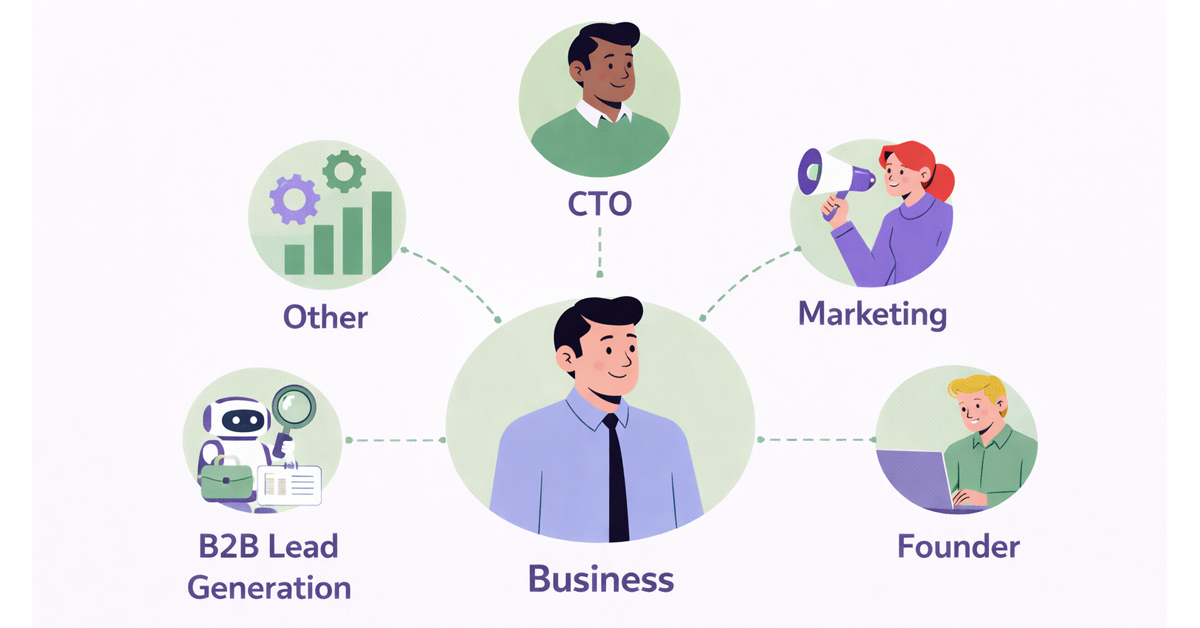
The platform’s strength lies in its precise targeting capabilities, allowing businesses to segment audiences by job title, industry, seniority, company size, and specific skills. This makes it one of the most effective B2B lead generation strategies for professional services firms, B2B SaaS companies, and consultants aiming to reach specific decision-makers within target organisations.
How to Implement LinkedIn Lead Generation
A successful LinkedIn strategy integrates organic activity with targeted paid campaigns and strategic outreach.
- Optimise Your Profile and Company Page: Ensure your personal profile and company page are fully optimised with clear value propositions. They act as your digital storefront and are often the first impression a prospect has of your business.
- Leverage Sales Navigator: Use LinkedIn Sales Navigator to build highly specific lead lists based on your Ideal Customer Profile. Its advanced search filters and lead-saving features are essential for targeted outbound prospecting.
- Execute Multi-Format Campaigns: Run a mix of organic content and paid ads. Test different ad formats like single image, video, and carousel ads, using LinkedIn Lead Gen Forms to capture information with minimal friction.
- Combine Content with Outreach: Warm up prospects by engaging with their content before sending a connection request. Your outreach should be personalised and focused on providing value, not just on making a sales pitch.
Strategic Takeaway: Avoid a one-size-fits-all approach. Create distinct campaigns for each buyer persona, tailoring your messaging and content to their specific job function and pain points. This dramatically improves relevance and response rates.
3. Content Marketing & Thought Leadership
Content marketing is a strategic approach focused on creating and distributing valuable, relevant content to attract and retain a clearly defined audience. By consistently providing expertise, you establish your business as a trusted authority, naturally guiding prospects through their buying journey without an aggressive sales pitch. This makes it one of the most sustainable B2B lead generation strategies for long-term growth.
For B2B companies, this involves publishing insightful blog posts, in-depth whitepapers, data-driven case studies, or engaging webinars that directly address your ideal customer’s most pressing challenges. Effective content does not just attract organic traffic; it builds credibility and nurtures leads by positioning your business as the definitive solution provider in your industry.
How to Implement Content Marketing
A successful content programme requires a clear plan that aligns with both customer needs and commercial goals.
- Map Content to the Buyer’s Journey: Develop a content matrix that aligns specific topics and formats to each stage of your sales funnel, from initial awareness (blog posts, social media) to consideration (case studies, webinars) and decision (comparison guides, demos).
- Focus on High-Intent Keywords: Use SEO tools to identify topics with commercial intent, meaning prospects are actively searching for solutions. Prioritise keywords that signal a readiness to buy or a significant business pain point.
- Create Authoritative, Original Content: Differentiate your content by using original research, unique data, and customer success stories. This establishes true thought leadership and creates assets that competitors cannot easily replicate.
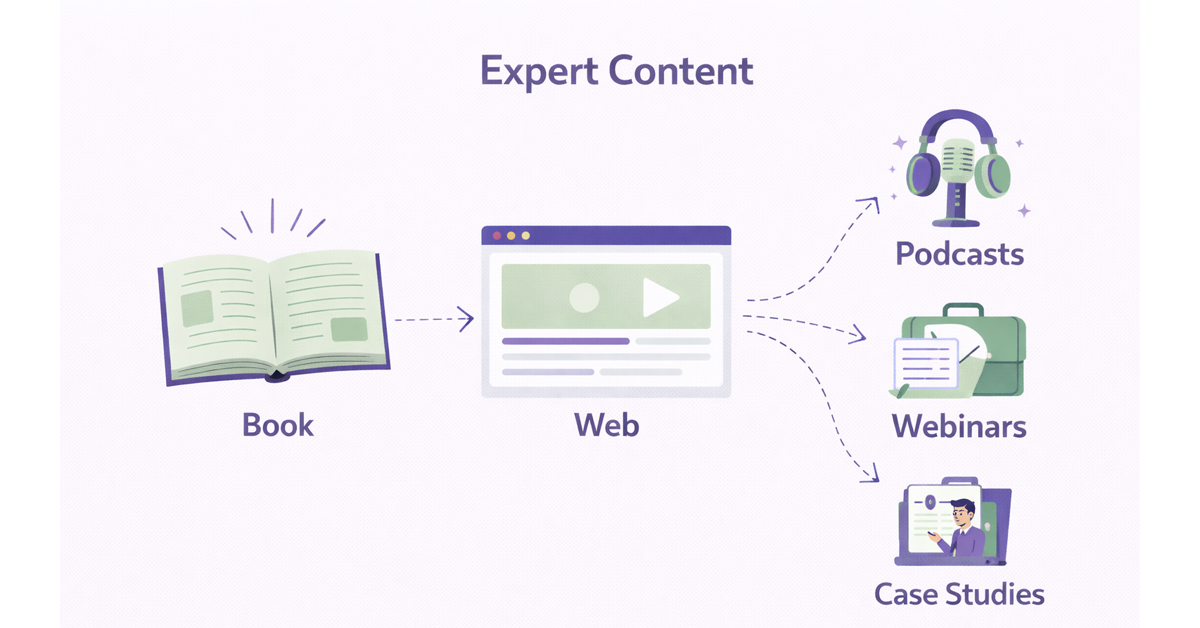
- Repurpose and Distribute Widely: Maximise the value of each content piece by repurposing it across multiple formats. A detailed whitepaper can become a series of blog posts, a webinar, an infographic, and several social media updates, reaching different audience segments on their preferred channels.
Strategic Takeaway: Your sales team is a goldmine of content ideas. Regularly consult them to understand common customer questions, objections, and pain points. Creating content that directly answers these queries will pre-qualify leads and shorten the sales cycle.
To build a robust and effective plan, you can explore this guide on how to create a content strategy that drives results.
4. Search Engine Optimisation (SEO) for Commercial Growth
Search Engine Optimisation (SEO) is the strategic process of improving your website’s visibility in search engine results pages (SERPs). For B2B companies, a strong organic search presence is non-negotiable, as it connects you with prospects who are actively researching solutions and demonstrating high purchase intent. By ranking for relevant keywords, you place your brand directly in the path of qualified decision-makers at the exact moment they need your expertise.
Unlike paid advertising, SEO builds a long-term, sustainable asset that generates inbound leads continuously. Effective SEO is a powerful pillar of many B2B lead generation strategies, combining technical website health, high-quality content creation, and authority building to drive a predictable flow of high-value traffic and conversions. It is a commercial tool focused on pipeline growth, not vanity metrics.
How to Implement SEO for Commercial Growth
Building a successful organic search presence requires a structured and persistent approach.
- Conduct In-Depth Keyword Research: Identify the search terms your ideal customers use when looking for solutions. Focus on keywords with commercial intent that align with your services, balancing search volume with realistic ranking difficulty.
- Create High-Value, Intent-Focused Content: Develop comprehensive content that directly answers your audience’s questions. Create pillar pages for core topics and blog posts that target specific long-tail keywords, ensuring every piece of content serves a clear purpose in the buyer’s journey.
- Build Authority with High-Quality Backlinks: Earn links from reputable, relevant websites within your industry. This acts as a vote of confidence to search engines, significantly boosting your domain’s authority and ranking potential. Guest posting, digital PR, and creating link-worthy assets are effective tactics.
- Ensure Technical Excellence: A technically sound website is the foundation of SEO. Prioritise fast page load speeds, mobile-friendliness, a secure (HTTPS) connection, and clean site architecture to provide a seamless user experience and allow search engines to crawl your site efficiently.
Strategic Takeaway: Start by optimising your core service pages for their primary commercial keywords. This is often the fastest route to generating qualified leads, as these pages are directly tied to revenue and attract visitors who are close to making a purchasing decision.
5. Email Marketing & Nurture Campaigns
Email marketing remains one of the most commercially viable and highest ROI channels available. This strategy involves methodically building an email list, segmenting prospects based on their characteristics and behaviours, and delivering targeted messages that guide them through their buying journey. It is a powerful tool for converting interest into genuine sales opportunities.
Effective email is more than just sending newsletters; it is a core component of any robust B2B lead generation strategy. A well-orchestrated campaign nurtures relationships at scale, educates prospects on complex solutions, and keeps your brand front of mind. For service-based firms and SMEs, it provides a direct, owned channel to communicate value and drive action from your existing database without relying solely on paid media.
How to Implement Email Marketing & Nurture Campaigns
A successful email programme is built on relevance, timing, and a deep understanding of your audience.
- Build and Segment Your List: Start with quality data. Segment your audience by firmographics like industry and company size, as well as behavioural triggers such as content downloads or specific page visits. This allows for highly relevant messaging.
- Develop Nurture Sequences: Create automated email workflows for different audience segments. A welcome series for new subscribers, an educational sequence for early-stage leads, and a sales-focused sequence for bottom-of-funnel prospects are essential starting points.
- Personalise Beyond the First Name: True personalisation references a prospect’s specific pain points, industry challenges, or recent interactions with your company. Use dynamic content to tailor emails based on the data you have collected.
- Analyse and Optimise Performance: Consistently monitor key metrics like open rates, click-through rates, and conversion rates. Use A/B testing on subject lines and calls to action to refine your approach and improve results over time.
Strategic Takeaway: Implement lead scoring to identify when a prospect is sales-ready. Assign points based on engagement (email opens, clicks) and demographic data (job title, company size). When a lead reaches a certain score, automatically alert your sales team to follow up.
6. Paid Advertising (Google Ads & LinkedIn)
Paid advertising is a powerful method for placing your business directly in front of high-intent prospects at the exact moment they are searching for a solution. Unlike organic strategies that take time to build momentum, paid advertising offers immediate visibility and traffic, making it one of the most direct and controllable B2B lead generation strategies available.
This approach allows you to capture active demand on platforms like Google Ads, where users are searching for your services, and proactively target ideal professional profiles on LinkedIn. For B2B companies, paid advertising is invaluable for testing offers, validating messaging, and generating a predictable flow of leads while longer-term strategies like SEO and content marketing mature. Its speed and measurability provide crucial market feedback and rapid lead generation.
How to Implement Paid Advertising
A successful B2B paid advertising campaign is built on precision, relevance, and continuous optimisation.
- Define Your Audience and Keywords: For Google Ads, start with high-intent keywords that signal a clear need for your services (e.g., “commercial accounting services London”). On LinkedIn, build audiences based on job titles, company size, and industry verticals that match your Ideal Customer Profile.
- Build High-Converting Landing Pages: Never send paid traffic to your homepage. Create dedicated landing pages for each ad campaign with a single, clear call-to-action. The message on the landing page must align perfectly with the ad copy to maximise conversion rates.
- Create Compelling Ad Copy: Write clear, benefit-driven headlines and descriptions that address a specific pain point. In a crowded marketplace, your ad needs to stand out and give a user a compelling reason to click. Use ad extensions to provide extra information and take up more screen space.
- Track, Measure, and Optimise: Implement conversion tracking from day one to measure every lead and calculate your cost per lead. Continuously monitor campaign performance, test different ad variations and landing pages, and reallocate your budget to the campaigns delivering the best return.
Strategic Takeaway: Start with a modest, controlled budget focused on a small set of your most valuable, high-intent keywords or a highly specific LinkedIn audience. Prove the model works by generating a positive return on a small scale before increasing your investment.
7. Webinars & Virtual Events
Webinars and virtual events are powerful tools for engaging prospects in a live or pre-recorded online environment. Instead of relying on static content, this strategy uses interactive presentations to educate potential customers on relevant topics, demonstrate complex solutions, and establish your brand as a credible authority. The direct interaction fosters trust and allows you to capture high-intent leads who are actively seeking solutions.
This approach is one of the most effective B2B lead generation strategies for businesses with products or services that benefit from in-depth explanation. By providing significant value upfront, you attract a qualified audience, generate high-quality leads, and can significantly shorten the sales cycle by addressing key questions and objections in a single, focused session.
How to Implement Webinars & Virtual Events
A successful webinar programme requires strategic planning, promotion, and a robust follow-up process to convert attendees into customers.
- Choose a High-Value Topic: Identify a significant pain point, industry trend, or common challenge your Ideal Customer Profile faces. Your topic should offer a solution or valuable insight, not just a sales pitch.
- Promote Your Event: Begin promoting your webinar 2-4 weeks in advance across multiple channels. Use email marketing, paid social ads, LinkedIn posts, and website banners to drive registrations.
- Design an Engaging Presentation: Structure your webinar to be between 30-45 minutes to maintain audience attention. Incorporate interactive elements like live polls, Q&A sessions, and guest speakers or customer case studies to boost engagement and credibility.
- Execute a Timely Follow-Up: Contact all registrants within 24 hours. Send a recording of the webinar to attendees and no-shows, but use different messaging for each segment. Your follow-up should provide key takeaways and a clear call to action, such as booking a demo or consultation.
Strategic Takeaway: Record every webinar. This content can be repurposed into blog posts, social media clips, and on-demand assets for your website, turning a one-time event into a long-term lead generation machine.
8. Referral & Partnership Programmes
Referral and partnership programmes are powerful strategies that leverage the trust and authority of your existing network. Instead of acquiring customers through cold outreach, these programmes incentivise satisfied clients, partners, and industry contacts to send qualified prospects directly to you. This approach effectively turns your network into a proactive, high-performance sales team.
These are among the most cost-effective B2B lead generation strategies because they tap into pre-existing relationships. Leads generated through referrals and partnerships often have higher conversion rates, shorter sales cycles, and greater lifetime value, as they arrive with a built-in layer of trust and an understanding of your value proposition.
How to Implement Referral & Partnership Programmes
Building a successful programme requires a structured approach that makes it simple for others to recommend your business.
- Define Clear Incentives: Decide what you will offer for a successful referral. This could be a commission, a discount on your services, account credits, or a reciprocal lead-sharing agreement. The key is to offer something genuinely valuable to your referrers.
- Create Separate Programmes: Recognise that customers, formal partners, and informal network contacts have different motivations. Create distinct programme structures for each group, tailoring the incentives and communication to match their relationship with your business.
- Equip Your Network for Success: Make referring effortless. Provide partners with unique tracking links, pre-written email templates, case studies, and clear talking points. The easier you make it, the more referrals you will receive.
- Establish a Tracking System: Implement a reliable system to track where referrals come from. This ensures you can accurately attribute new business and promptly reward the referrer, which is crucial for maintaining goodwill and encouraging future recommendations.
Strategic Takeaway: Start by identifying your most satisfied customers, often those with a high Net Promoter Score (NPS). Reach out to them personally to launch a pilot referral scheme, gathering feedback to refine the process before rolling it out more widely.
9. Website Conversion Rate Optimisation (CRO)
Your website is the central hub for all your lead generation efforts. Conversion Rate Optimisation (CRO) is the systematic process of improving your website to increase the percentage of visitors who take a desired action, such as filling out a form, requesting a demo, or signing up for a newsletter. It turns your existing website traffic into a predictable pipeline of qualified leads.
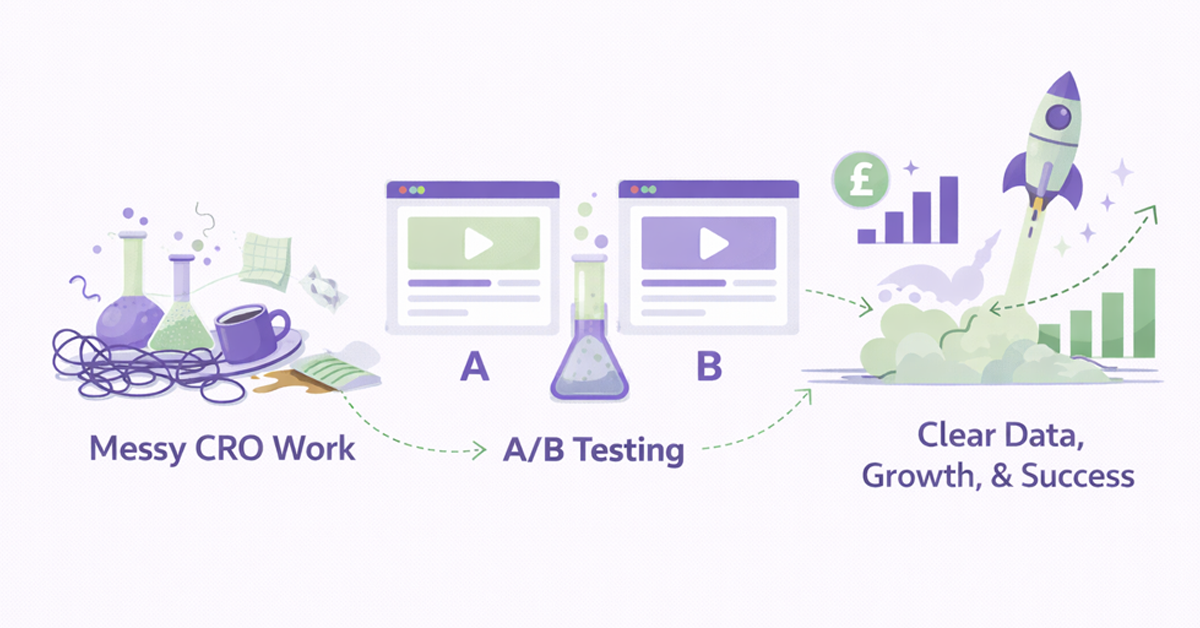
For B2B companies, a well-optimised website is one of the most powerful B2B lead generation strategies available. By analysing user behaviour, conducting A/B tests, and refining key elements like calls-to-action (CTAs), forms, and page layouts, you can remove friction from the buyer’s journey. This ensures that the valuable traffic you drive from SEO, paid ads, and other channels converts effectively, maximising the return on your entire marketing spend. A website must be treated as a lead generation asset designed for performance.
How to Implement Website Conversion Rate Optimisation
A successful CRO programme is built on data, not guesswork. It requires a structured approach to testing and learning.
- Analyse User Behaviour: Use tools like heatmaps and session recordings to understand how visitors interact with your key pages. Identify where they click, how far they scroll, and where they drop off. This provides crucial insights into points of friction.
- Formulate a Hypothesis: Based on your analysis, create a clear hypothesis for a change. For example: “Reducing the number of form fields from seven to four will increase demo requests because it lowers user effort.”
- Run A/B Tests: Test your hypothesis by creating a new version (Variant B) of a page to run against the original (Variant A). Drive traffic to both and measure which one performs better against your primary conversion goal.
- Measure and Iterate: Analyse the test results to determine a winner. Implement the winning variation and move on to the next test. CRO is a continuous cycle of improvement, not a one-time project.
Strategic Takeaway: Begin your CRO efforts on your highest-traffic pages, such as your homepage or main service pages. A small conversion lift on a page with significant volume can deliver a substantial increase in overall leads.
To build a high-performing website from the ground up, you can learn more about how to improve conversion rates with strategic CRO.
10. Community Building
Community building is a long-term strategy that transforms prospects into advocates. Instead of solely focusing on immediate conversion, this approach involves creating a dedicated online space (like a Slack group, dedicated forum, or LinkedIn group) where your target audience can connect, share challenges, and learn from each other. By facilitating these conversations, your brand becomes the central hub for industry knowledge and support.
This approach is one of the most powerful organic B2B lead generation strategies for fostering trust and establishing deep-rooted authority. A thriving community provides invaluable customer insights, creates a direct feedback loop for product development, and generates highly-qualified leads who are already invested in your brand’s ecosystem. It is particularly effective for businesses whose products or services benefit from network effects or a knowledgeable user base.
How to Implement Community Building
Launching a successful community requires genuine value exchange and a commitment to nurturing relationships, not just broadcasting sales messages.
- Choose the Right Platform: Identify where your audience already congregates. Is it LinkedIn for professional networking, Slack for real-time discussions, or a platform like Circle for a more structured, branded experience? The platform choice should reduce friction for your members.
- Establish Clear Guidelines: Define the purpose, rules, and moderation policies from day one. A clear code of conduct ensures conversations remain productive, safe, and valuable for everyone involved.
- Provide Consistent Value: Your community is not a sales channel. Share exclusive content, host expert Q&A sessions, run member-only workshops, and encourage peer-to-peer problem-solving. Your primary goal is to help members succeed.
- Empower and Engage Members: Appoint community moderators or ambassadors to spark conversations and welcome new members. Actively listen to discussions and use the insights to inform your content strategy and even your product roadmap. Beyond direct outreach, fostering strong relationships through building engaged startup communities can also be a powerful source of B2B leads.
Strategic Takeaway: Start by inviting a small, curated group of your most engaged customers or contacts. This “founding member” group will help you set the tone, seed initial conversations, and create a welcoming environment before you open the doors to a wider audience.
Comparing 10 B2B Lead Generation Strategies
| Strategy | Implementation Complexity | Resources & Speed | Expected Outcomes | Ideal Use Cases | Key Advantages |
|---|---|---|---|---|---|
| Account-Based Marketing (ABM) | High: cross-team alignment & research | High resources (CRM, intent data); Speed: Medium to slow | Very high-quality accounts, larger deal sizes; high ROI | Enterprise B2B, high-ACV deals, targeted account lists | Highly personalised outreach; efficient use of resources |
| LinkedIn Lead Generation & Outreach | Medium: platform & messaging optimisation | Moderate (Sales Navigator, ad spend); Speed: Fast to Medium | Targeted, role-specific leads with measurable conversions | B2B services targeting specific roles/industries | Precise professional targeting; combines ads & organic outreach |
| Content Marketing & Thought Leadership | Medium to High: editorial strategy & production | Moderate to high (writers, design); Speed: Slow (months) | Compounding organic traffic, authority; steady lead flow | Brand building, consideration-stage nurturing, long-term inbound | Builds credibility; creates evergreen assets; improves SEO |
| SEO for Commercial Growth | Medium to High: technical, content & backlinks | Moderate (tools, content, link building); Speed: Slow (3-6+ months) | Sustainable high-intent traffic, predictable leads | Businesses with search demand; scalable inbound growth | Cost-effective long-term; complements other channels |
| Email Marketing & Nurture Campaigns | Medium: segmentation & automation setup | Low to moderate (CRM, automation); Speed: Fast to Medium | High ROI, strong conversion and nurture performance | Existing lists, warm leads, onboarding, cross-selling | Direct, measurable, highly personalised at scale |
| Paid Advertising (Google & LinkedIn) | Medium: campaign structure & optimisation | Moderate to high (ad budget, management); Speed: Immediate | Immediate traffic and leads; cost-variable | Time-sensitive launches, testing offers, demand capture | Fast results; precise targeting and rapid experimentation |
| Webinars & Virtual Events | Medium to High: planning, speakers, production | Moderate (platforms, promotion); Speed: Medium | High-intent, engaged leads; strong post-event conversions | Complex product demos, education, lead qualification | Live interaction builds authority; recordings become assets |
| Referral & Partnership Programmes | Low to Medium: programme design & partner ops | Low to moderate (incentives, tracking); Speed: Variable | High-quality trusted leads with lower CPL; volume varies | Customer-rich businesses, complementary service partners | Cost-effective acquisition; higher conversion & lifetime value |
| Website Conversion Rate Optimisation (CRO) | Medium: testing discipline & analytics | Moderate (A/B tools, analytics); Speed: Fast (immediate uplift possible) | Immediate conversion improvements; multiplies channel ROI | High-traffic sites, landing pages, PPC/SEO funnels | Increases ROI of existing traffic; data-driven gains |
| Community Building | High: ongoing management & moderation | High (community manager, content); Speed: Slow (builds over time) | High-quality engaged leads, advocacy, customer insights | Niche B2B markets, customer retention, product feedback | Deep relationships, sustained advocacy, rich insights |
From Strategy to Execution: Your Next Steps
We have explored a comprehensive toolkit of proven B2B lead generation strategies, from the precision targeting of Account-Based Marketing to the long-term asset building of SEO and content marketing. The journey through paid advertising, email nurturing, CRO, and community building reveals a powerful truth: sustainable growth is not born from a single tactic, but from a strategic, integrated system.
The most effective B2B marketing engines are not built by chance. They are the result of deliberate choices, rigorous testing, and a relentless focus on the ideal customer. The key takeaway is that these strategies are not mutually exclusive; they are synergistic. A powerful piece of thought leadership content can fuel your email campaigns, provide material for LinkedIn outreach, and become a cornerstone of your organic search presence. Likewise, insights from your paid advertising campaigns can inform your SEO keyword strategy, ensuring you invest resources where commercial intent is highest.
Synthesising Your Strategy: Key Takeaways
The path forward requires moving from theory to focused action. Your primary challenge is not a lack of options, but a potential lack of focus. To build a robust pipeline, you must prioritise ruthlessly and execute with discipline.
Here are the core principles to guide your implementation:
- Integration Over Isolation: The true power of these B2B lead generation strategies is unlocked when they work together. Your website (optimised via CRO) is the central hub where traffic from SEO, paid ads, and LinkedIn converts. Your content acts as the fuel for every channel, building authority and nurturing prospects.
- Start with High-Impact Actions: While building a long-term SEO asset is crucial, you also need near-term results. Identify the ‘quickest wins’ for your business. This might be a highly targeted LinkedIn Ads campaign aimed at a specific job title or a CRO audit of your highest-traffic landing pages to lift conversion rates immediately.
- Measurement is Non-Negotiable: You cannot optimise what you do not measure. For every strategy you deploy, establish clear KPIs from the outset. Focus on commercial metrics that matter: Cost Per Lead (CPL), Lead-to-Opportunity Rate, and ultimately, Customer Acquisition Cost (CPL) and Return on Ad Spend (ROAS). This data is your guide to scaling what works and cutting what does not.
- Customer Centricity is Paramount: Every successful strategy we have discussed begins with a deep understanding of your customer. Your Ideal Customer Profile (ICP) should inform your keyword research, your ad creative, your email copy, and your content topics. When your marketing resonates deeply with a specific audience, your lead generation efforts become infinitely more efficient.
Your Action Plan for Predictable Growth
Mastering these concepts transforms your business from one that passively waits for enquiries to one that proactively engineers its own growth. It is the difference between unpredictable revenue swings and a scalable, reliable sales pipeline that fuels long-term success. The value lies not just in generating more leads, but in generating the right leads, more efficiently, and creating a resilient system that withstands market shifts.
Your next step is to conduct a frank assessment of your current capabilities and opportunities. Where are the biggest gaps? Where is the lowest-hanging fruit? Choose one or two strategies to master first. Build momentum, reinvest the returns, and progressively layer on complementary tactics to create your own bespoke lead generation machine.
Ready to translate these b2b lead generation strategies into a measurable, performance-focused growth engine for your business? We specialise in building and executing integrated systems that deliver a predictable pipeline of high-quality leads. Contact Lead Genera today to discuss how a strategic, hands-on approach can drive your commercial objectives forward.
Categories
Do You Need Assistance With
Sign Up To Our Newsletter