


Weekly marketing wisdom you can read in 5 minutes, for free. Add remarkable ideas and insights to your inbox, once a week, by subscribing to our newsletter.
Lead Generation
A Guide to Outsourcing Lead Generation for UK Businesses
Outsourcing lead generation is more than a quick fix for a slow sales pipeline. It is a strategic decision for businesses whose marketing efforts are not producing commercially viable leads. It involves bringing in a specialist team to manage prospecting and qualification, freeing your in-house sales team to focus on what they do best: closing deals, not just finding them.
Knowing When to Outsource Your Lead Generation
Many businesses experience the same challenge: the sales team needs more leads. The decision to outsource lead generation, however, is rarely about volume alone. It is a strategic move, often prompted by deeper operational strains that signal a need for external expertise. Recognising these signs is the first step towards building a predictable and scalable growth engine.
A common scenario is a sales team overwhelmed by prospecting. Your highest-paid closers spend their days on low-value tasks like building lists, making initial calls, and conducting basic qualification checks. This is not just inefficient; it is expensive. Every hour a top salesperson spends hunting for leads is an hour they are not nurturing a qualified opportunity or closing a deal, which directly impacts your bottom line.
When Inbound Marketing Is Not Enough
Another clear indicator is when your marketing generates significant activity but very few commercial leads. Your website may attract high traffic and social media engagement may be strong, but this activity is not translating into sales-ready conversations. This usually indicates a disconnect between your top-of-funnel marketing and what your sales team requires at the bottom of the funnel.
This is where an external partner excels. Their focus is on bridging this gap by concentrating on:
- Lead Qualification: They filter out the noise, delivering leads that match your ideal customer profile and demonstrate clear buying intent.
- Conversion Optimisation: They refine landing pages and campaigns to convert casual interest into active enquiries.
- Pipeline Alignment: They ensure the leads generated are not just numerous but are the right type of opportunities your sales team can realistically close.
The tipping point arrives when you realise the opportunity cost of not outsourcing is far greater than the expense. When your team’s focus is divided and growth is inconsistent, a specialist partner transitions from a cost to a strategic necessity.
The True Cost of Building an In-House Team
Finally, consider the significant cost and time required to build a specialist lead generation function from scratch. This involves more than just hiring a junior marketer. A successful in-house team requires a mix of skills in paid media, SEO, data analysis, copywriting, and sales psychology.
The financial commitment is substantial. It includes recruitment fees, salaries, national insurance contributions, management overhead, and a considerable investment in a technology stack (CRM, data tools, automation software). This can easily amount to tens of thousands of pounds before a single qualified lead is generated. For a deeper look at proactive customer acquisition, which is a core function of outsourced teams.
For many UK businesses, particularly those in competitive markets, outsourcing is a faster, more cost-effective route to achieving predictable, sustainable growth.
Thinking about outsourcing your lead generation? It is a smart move for many growing businesses, but a simple gut feeling will not secure budget approval. You need to build a solid, data-driven business case that demonstrates to stakeholders why it is not just a good idea, but a critical commercial decision.
This means looking beyond surface-level numbers and digging into the true costs of keeping lead generation in-house versus the value a specialist partner can deliver.
A classic mistake is to compare an agency’s monthly retainer against a new hire’s salary. On paper, the new hire often appears cheaper. In reality, the true cost of an internal team is always much higher.
You must factor in recruiter fees, employer National Insurance contributions, management overhead, and the countless hours your senior team will spend on hiring and training. Then, there is the technology.
The Hidden Cost of the In-house Tech Stack
Modern lead generation does not run on spreadsheets. It demands a sophisticated suite of tools to function effectively. This often includes:
- A capable CRM to act as the central hub for all prospect interactions.
- Data enrichment tools to ensure your contact information is accurate and usable.
- Sales automation software for managing complex outreach sequences and follow-ups.
- Analytics platforms to track performance and measure return on investment.
These software licences and subscriptions add up quickly. In our experience, these hidden costs typically add another 30-40% on top of an employee’s base salary. Suddenly, that “cheaper” in-house option does not look so clear-cut.
Let’s break down what this really looks like.
In-House vs Outsourced Lead Generation Cost Analysis (Annual Estimate)
To illustrate the point, here is a typical cost breakdown comparing a small in-house team against a mid-tier agency in the UK. This provides a more realistic picture of the total investment required for each path.
| Cost Component | In-House Team (1-2 Staff) | Outsourced Agency (Mid-Tier) |
|---|---|---|
| Salaries (1x £45k Mid-Level) | £45,000 | N/A |
| Employer NI & Pension | ~£7,500 | Included in Fee |
| Recruitment Fees (18%) | £8,100 | N/A |
| Software Licences (CRM, Data, etc.) | £6,000 – £12,000 | Included in Fee |
| Management Overhead (20% of Manager’s time) | £10,000+ | Included in Fee |
| Agency Retainer | N/A | £36,000 – £60,000 |
| Total Annual Cost | £76,600+ | £36,000 – £60,000 |
As you can see, once you account for all associated expenses, the financial argument for outsourcing becomes compelling. The agency fee, which once seemed high, now looks like a predictable, all-inclusive investment that covers expertise, technology, and management without the hidden extras.
This infographic highlights the common signals that your internal team might be stretched to its limit, making an external partner the logical next move.
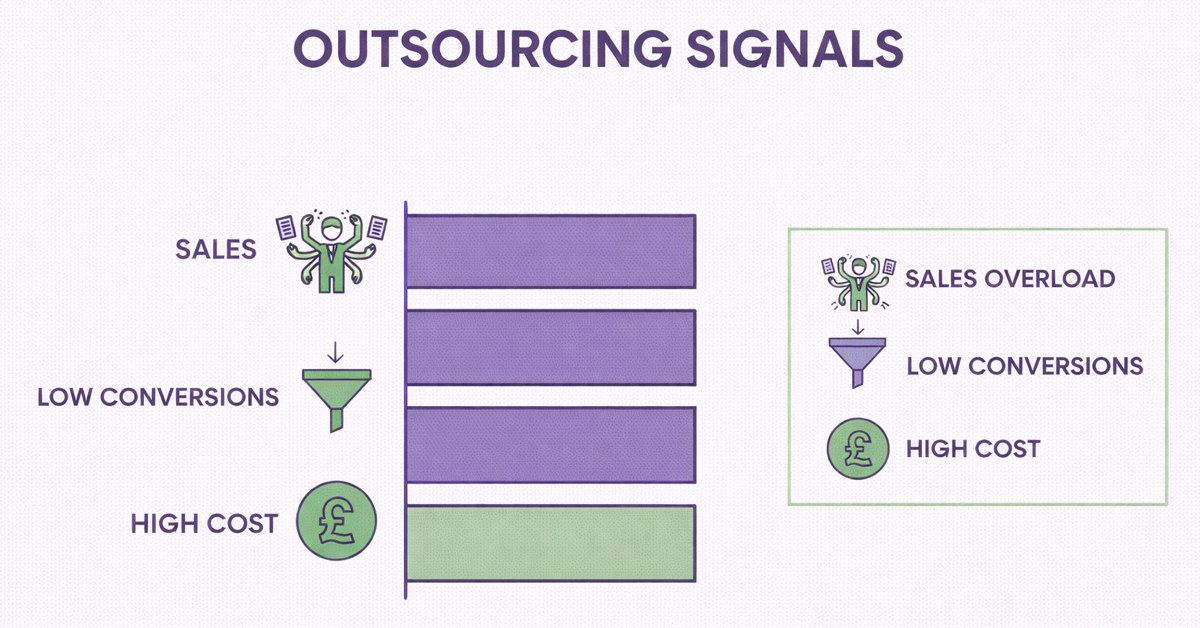
These triggers—an overloaded sales team, poor lead conversion rates, and ballooning internal costs—are precisely the problems a strong business case for outsourcing is designed to solve.
There is another major risk with the in-house route: your new hire becomes a single point of failure. What happens if they go on long-term sick leave or resign? Your entire lead generation engine grinds to a halt, and you are back at square one, starting the costly hiring process all over again.
An agency, on the other hand, provides built-in continuity. You are not just hiring one person; you are gaining access to a whole team of specialists in paid ads, SEO, copywriting, and data analysis for a single, predictable fee.
Do Not Forget Speed to Market and Opportunity Cost
Your business case is not just about direct costs. One of the biggest, and often overlooked, advantages of outsourcing is speed to market.
A specialist agency already has the team, processes, and technology in place. They can become operational and start delivering qualified leads within weeks. Contrast that with building an in-house team. The journey from writing the job description to your new hire being fully productive can easily take six months or more. That delay represents a massive opportunity cost in lost revenue.
In the UK, outsourcing is a popular strategy for a reason, with typical costs for a qualified B2B lead falling anywhere between £250 and £700. This makes it an incredibly accessible way to build a reliable sales pipeline without the huge upfront investment and risk associated with hiring. To get a better handle on the numbers, you can explore how to calculate your cost per acquisition in our detailed guide.
A strong business case frames outsourcing not as a cost centre, but as an investment in predictable, scalable growth. It highlights the slow, high-risk path of internal hiring against the fast, scalable results a specialist partner can provide.
Ultimately, your analysis must circle back to commercial outcomes. How quickly can an agency deliver a positive return on investment? What impact will a consistent flow of high-quality leads have on your sales team’s efficiency and morale?
When you frame the argument in terms of ROI, increased pipeline value, and operational scalability, the decision to outsource stops being a difficult choice and becomes a clear strategic advantage.
How to Find and Vet the Right Lead Generation Partner
Choosing a partner is the most critical decision you will make when outsourcing lead generation. Get this right, and you have a growth engine. Get it wrong, and you are burning cash. A quick online search is not enough. You need a structured process to distinguish true growth partners from suppliers who promise everything but deliver little.
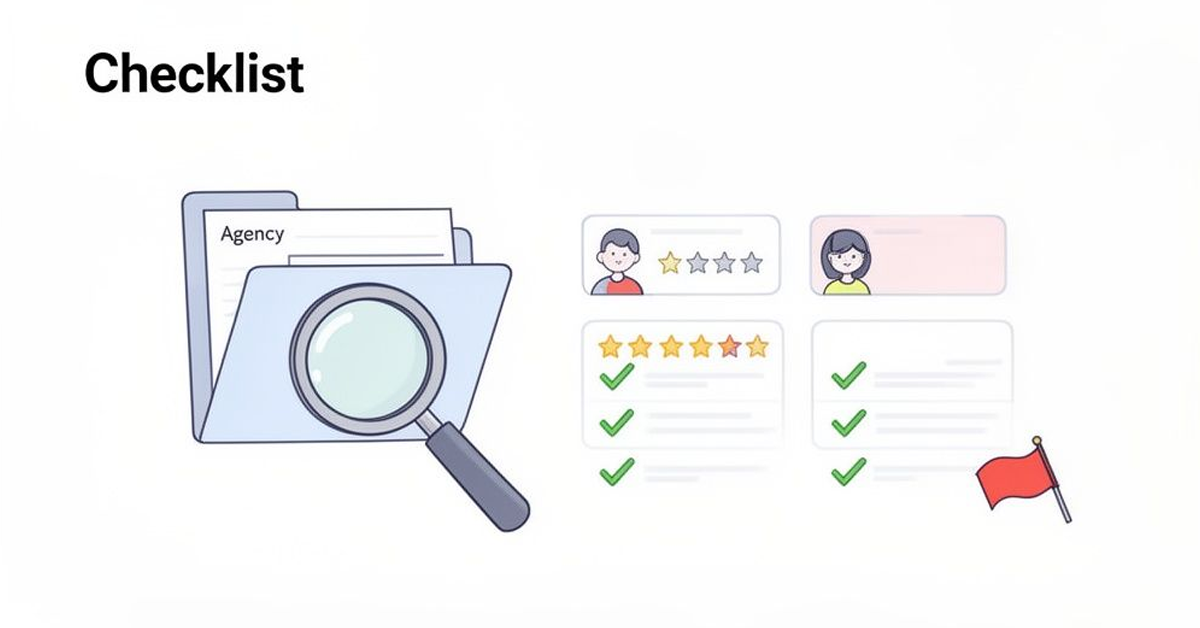
The market for these services is expanding rapidly. The UK lead generation sector is booming, with 48% of UK companies already outsourcing some part of their workload. This is not surprising. Businesses are desperate to cut through the noise and need local experts who understand the nuances of buyer behaviour and compliance.
However, this increase in choice means you must be more careful, not less.
Moving Beyond the Sales Pitch
The initial conversations with a potential agency are very revealing. Most will present a polished sales deck with impressive claims. Your job is to look behind the curtain and scrutinise their strategic thinking and operational processes. A true partner will be as interested in understanding your business as they are in selling their services.
You should request case studies, but do not accept them at face value. Forget vanity metrics like impressions or clicks. You need to see clear proof of commercial success.
Insist on case studies that clearly demonstrate:
- Client industry relevance: Have they worked with businesses like yours, facing similar challenges?
- Pipeline value created: Can they show exactly how their work translated into sales pipeline value?
- Lead-to-customer conversion rates: What percentage of the leads they generated became paying customers for their clients?
- Cost Per Acquisition (CPA): What was the final, all-inclusive cost to acquire a customer, not just a lead?
If an agency becomes defensive or cannot provide this level of detail, it is a significant red flag. It usually means they either do not track the metrics that matter, or the results are not worth sharing. For a deeper dive on this, our guide on how to choose a digital marketing agency is a great resource.
Critical Questions to Uncover True Capability
Once you have a shortlist, it is time to dig deeper. The quality of your questions will determine the quality of the partner you choose. You need to shift the conversation from what they promise to do to how they will do it.
Here are the questions I always recommend asking:
-
“How would you define a ‘qualified lead’ for a business like ours?” A vague answer is a deal-breaker. A good partner will immediately talk about working with you to define a tight set of criteria based on your Ideal Customer Profile (ICP), such as company size, specific job titles, and buying intent signals.
-
“Walk me through your process for the first 90 days.” You are looking for a structured, phased plan covering discovery, strategy, testing, and optimisation. Avoid anyone promising a flood of leads from day one without a clear ramp-up period.
-
“What does your reporting look like, and how often will we speak?” Ask to see a real, sample report. It needs to be focused on commercial outcomes—MQLs, SQLs, cost per lead—not just top-of-funnel fluff. A regular, data-driven meeting cadence is non-negotiable.
-
“Describe your feedback loop for lead quality.” How do they plan to get feedback from your sales team? A great agency will have a formal, structured process for this. It is the only way they can refine targeting and stop wasting your budget on unsuitable leads.
It is also worth asking about their technology stack. Understanding their use of tools like Automated Lead Generation Software can give you a sense of their efficiency and data management practices.
A partner’s true value is revealed in their process. If they cannot articulate a clear, logical, and data-driven methodology for generating and qualifying leads, they are likely relying on luck, not strategy.
Spotting the Red Flags Early
Vetting is as much about identifying weaknesses as it is about finding strengths. Watch out for these traits, as they almost always lead to poor performance and frustration.
- Over-reliance on jargon: If they use buzzwords but cannot explain the practical application for your business, they may be hiding a lack of real substance.
- Guarantees of specific results: No reputable agency can guarantee a precise number of leads or a specific ROI from the outset. They can provide forecasts based on past experience, but iron-clad guarantees are unrealistic.
- A ‘one-size-fits-all’ approach: Does their proposed strategy sound generic? If they have not done their homework on your business and market, they are not a strategic partner.
- Lack of pricing transparency: All costs should be clearly laid out from the start. Be wary of vague “management” or “reporting” fees that appear later.
Choosing an outsourcing partner is a major investment of both time and money. By using a tough, evidence-based vetting process, you can select a partner who will genuinely feel like an extension of your team and become a key driver of real, measurable growth.
Defining Scope and Agreeing on Commercial Terms
A successful partnership is not built on a handshake; it is forged in the details of a clear, comprehensive agreement. When you are outsourcing lead generation, this document is your Service Level Agreement (SLA). It aligns both your business and the agency, eliminates grey areas, and builds a solid foundation for accountability.
Think of it as the blueprint for success, tying your investment directly to real commercial outcomes.
Before any contract is signed, the single most important conversation is about defining a ‘good lead’. If you skip this step, you are paying for contacts, not genuine opportunities. It means getting granular on the criteria that separate a hot prospect from a time-waster.
Defining Your Lead Qualification Criteria
Clarifying this from the outset prevents future friction. The goal is to create a shared vocabulary for lead quality, ensuring the agency’s efforts are perfectly aligned with your sales team’s needs. You must sit down with your potential partner and establish firm definitions for two key types of leads.
-
Marketing Qualified Lead (MQL): This is someone who fits your target customer profile and has shown initial interest. The criteria must be explicit. For example, a specific job title like ‘Head of Operations’, a company size of ’50-250 employees’, and an industry like ‘UK-based manufacturing’.
-
Sales Qualified Lead (SQL): This is an MQL that has become sales-ready. The criteria here are about buying intent. Perhaps they have requested a demo, asked for pricing, or stated they have a budget and an active project.
A strong SLA does not just define what a good lead looks like. It also maps out exactly what happens with leads that miss the mark. You need a simple, clear feedback loop that allows your sales team to reject poor-quality leads with specific reasons. The agency must then use this feedback to refine its targeting.
Once your definitions are locked in, you can agree on realistic targets for volume and quality. A good partner will help you set these based on your budget and what is achievable in your market, rather than simply telling you what you want to hear. This part of the agreement should also cover the lead handover process—how leads will be delivered (e.g., directly into your CRM or via email) and the timeframe your sales team has for follow-up.
Understanding the Commercial Models
The payment structure greatly influences an agency’s motivation and your own financial risk. There are three common models in outsourced lead generation, each with different implications for your business.
1. Fixed Retainer
This model is simple and predictable. You pay a set fee each month for an agreed scope of work. It is ideal for budget forecasting and long-term partnerships where the work extends beyond leads to include content creation or brand building. The drawback? The risk is entirely on you. You pay the same whether they deliver 10 leads or 100.
2. Pay-Per-Lead (PPL)
This model directly links your costs to their output. You only pay for leads that meet the agreed-upon SQL criteria. It is an excellent way to minimise financial risk and provides the agency with a powerful incentive to deliver properly qualified prospects. The main disadvantage is that it can sometimes prioritise quantity over quality, and the cost per lead is often higher to compensate for the agency’s risk.
3. Hybrid Model (Retainer + Performance)
This is often the best compromise. It combines a smaller fixed retainer with performance-based bonuses for hitting specific targets, such as a certain number of SQLs or even closed deals. The retainer covers the agency’s basic operational costs, while the performance bonus ensures they are highly motivated to drive results that impact your bottom line. This structure creates a genuine partnership where both sides share the risk and the reward.
Picking the right commercial model is a strategic move, not just a financial one. It sets the tone for the entire relationship, ensuring your lead generation partner is a true co-owner of your growth goals, not just another supplier.
Managing the Partnership for Maximum ROI
You have signed the contract. Many people think this is the finish line, but it is actually the starting gun. The real work in outsourcing lead generation begins now, turning that new agreement into a high-performing growth engine.
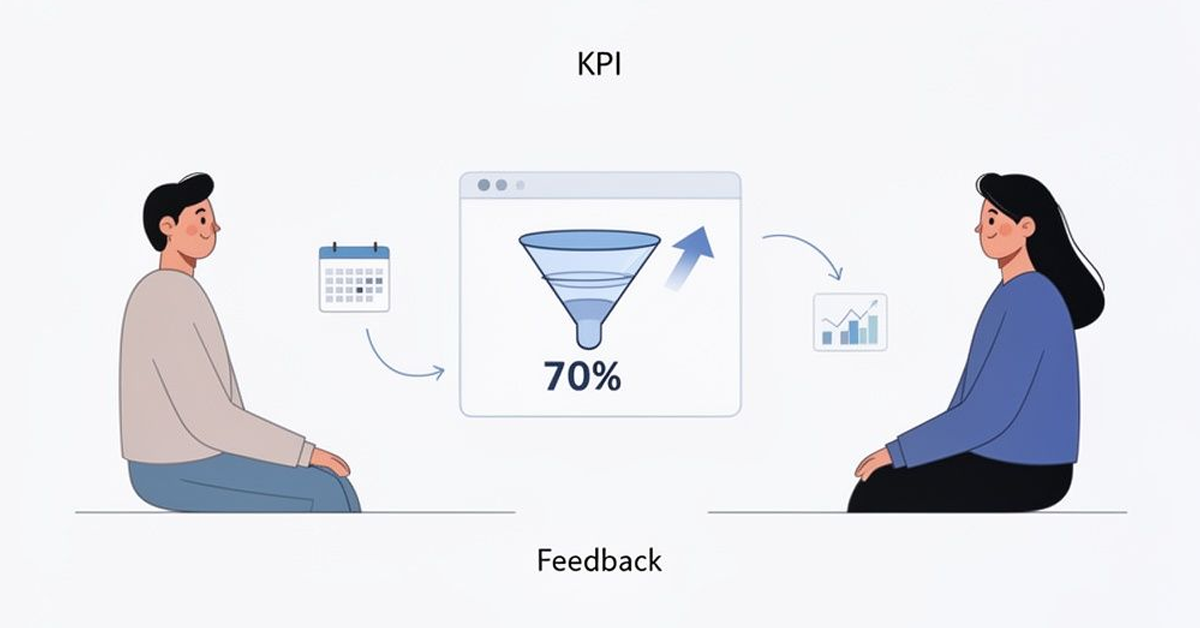
The first 30 days are make-or-break. A focused, hands-on kick-off is the only way to make the agency a true extension of your team. This period is about deep immersion and establishing the communication rhythms that will define the partnership.
The Critical Kick-Off Phase
From the outset, your goal is simple: transfer all vital company knowledge and set up clear communication channels. A rushed start almost always results in generic campaigns and poor-quality leads, so treat this kick-off as a top-priority project.
A successful kick-off involves a few key actions:
- Deep-Dive Brand Immersion: The agency needs to understand your company’s mission, market position, and unique value proposition. Provide all marketing collateral, competitor analysis, and brand guidelines.
- Ideal Customer Profile (ICP) Workshop: This must go beyond basic demographics. A collaborative session is ideal for exploring your ideal customer’s pain points, buying triggers, and decision-making process. This insight is invaluable for creating effective ad copy and targeting.
- Technical & Systems Access: Grant them access to your CRM, analytics platforms, and any marketing automation tools. Ensure tracking codes and conversion goals are configured correctly from day one; you cannot manage what you cannot measure.
- Establishing Communication Rhythms: Agree on a fixed schedule for check-ins. A 30-minute weekly catch-up and a more strategic monthly review is a structure that works well for most. Identify the main contacts on both sides to keep communication direct and simple.
A partnership built on transparency and collaboration from the start will always outperform one managed at arm’s length. The more insight and access you give your agency, the faster they can refine their approach and deliver commercially valuable results.
With the foundations laid, the focus shifts to performance metrics. You cannot manage effectively without tracking the right data. It is time to look past vanity metrics like clicks and impressions and zero in on the Key Performance Indicators (KPIs) that reflect business success.
KPIs That Genuinely Matter for Growth
Lead volume is an obvious starting point, but on its own, it reveals little about the value being created. A high-performing partnership is managed with a dashboard that connects marketing activity directly to sales outcomes. These are the metrics that should drive every conversation.
Your performance dashboard needs to prioritise these:
- Lead Quality Metrics: Monitor the number of Marketing Qualified Leads (MQLs), but more importantly, track the Sales Qualified Leads (SQLs) your sales team accepts. A growing gap between these two numbers is an early warning that your lead criteria are misaligned.
- Cost Per Acquisition (CPA): This is your ultimate efficiency metric. You need to know both your Cost Per MQL and your Cost Per SQL. This tells you exactly how much you are spending to get a genuine sales opportunity, a crucial figure for calculating ROI.
- Lead-to-Opportunity Conversion Rate: What percentage of SQLs are turning into real, pipeline-worthy sales opportunities? A low rate here suggests you either need to tighten your qualification criteria or review your sales team’s follow-up process. Improving this is a key step, and you can get additional insights by reviewing our article on Conversion Rate Optimisation best practices.
- Pipeline Value Generated: This is the most important metric. It measures the total value of sales opportunities created from the agency’s leads, directly linking their activity to your potential revenue.
- Sales Cycle Length: Are leads from the agency moving through your sales funnel faster or slower than leads from other sources? A shorter sales cycle is a strong indicator of high-quality, high-intent leads.
Outsourcing lead generation is known to reduce costs and boost efficiency for UK SMEs. Professional partners focus on delivering qualified prospects, with quality conversion rates often reaching 2-9% depending on the industry. When managed well, an agency can help achieve outcomes like 98% data accuracy and turn campaigns around quickly, making the outsourcing advantage essential for scalable growth.
Ultimately, managing the partnership is about building a collaborative engine for growth. Use this data not to point fingers, but to have constructive conversations and continuously refine your strategy. That continuous feedback loop, where data informs every decision, is the hallmark of a successful and profitable outsourced lead generation programme.
Common Questions About Outsourcing Lead Generation
Deciding to outsource your lead generation is a significant move. Even when you know it is the right strategic choice, it is normal to have questions about how it works in practice. You need to be clear on the day-to-day realities before you commit.
Here are the answers to the most common questions we hear from businesses, designed to provide clarity and confidence.
What Is a Realistic Timeframe to See Results?
While some agencies might promise immediate results, a strategic approach requires time to mature. You can expect to see the first leads arriving within two to four weeks as initial campaigns go live.
The first 90 days are critical. This is the period for testing, learning, and fine-tuning. Your partner will be refining audience targeting, testing different messages, and adjusting the strategy based on real-world data.
By the end of the first quarter, you should have a solid, data-backed understanding of your cost-per-acquisition (CPA) and be seeing a predictable flow of qualified leads. From there, success is about steadily building on that foundation to grow your pipeline and improve sales efficiency.
How Much Involvement Is Required From My Team?
Outsourcing lead generation is a partnership, not a “set and forget” task. While the agency handles the heavy lifting of running campaigns, your team’s input is vital for success.
You should be prepared to commit to:
- A detailed onboarding process: This involves a few deep-dive sessions for the agency to understand your brand, market, and ideal customer.
- Weekly or bi-weekly check-ins: These are typically 30 to 60-minute meetings to review performance data and agree on strategic adjustments.
- Prompt feedback from your sales team: This is the most important part. Your sales team must provide quick, detailed feedback on the quality of leads they receive.
This constant feedback loop allows an agency to continuously improve campaigns and refine lead quality. Think of your agency as a specialist extension of your own team, not just another supplier.
Does Outsourcing Work for a Niche B2B Industry?
Yes, and it often works even better for niche or highly technical industries. A generalist in-house marketer can struggle to grasp the specific pain points, terminology, and buying triggers of a specialised audience.
A specialist B2B lead generation agency, on the other hand, should have a proven process for quickly learning the nuances of any new niche. They apply their expert knowledge of outreach and targeting to your specific market, which means they can find and engage the right decision-makers far more efficiently.
When vetting potential agencies, ask them directly about their experience with technical markets. Get them to walk you through how they would get up to speed and adapt their approach for your unique industry.
What Happens if the Leads Are Low Quality?
This is a fair and important question, and the answer should be documented in your Service Level Agreement (SLA). A good partner will have a clear, pre-agreed process for this scenario.
First, a solid lead scoring system, agreed upon from day one, eliminates any ambiguity about what constitutes a ‘qualified’ lead. Second, there must be a formal feedback loop where your sales team can reject a lead with specific, documented reasons.
The agency then uses this feedback to refine the campaigns. Some agreements even include ‘lead credits’ for any leads that do not meet the agreed-upon criteria. If you still see quality issues after the initial optimisation phase, it points to a bigger strategic problem. Your contract should provide a way to formally review or even re-evaluate the partnership.
Ready to build a predictable, scalable sales pipeline without the risk and expense of hiring in-house? Lead Genera acts as a true growth partner, embedding our specialists into your team to deliver commercially-focused results. Find out how we can drive your growth today.
Categories
Do You Need Assistance With
Sign Up To Our Newsletter